What is Environmental Justice?
- Environmental Justice is the movement’s response to environmental racism
- Environmental racism is the disproportionate impact on people of color by noxious industries such as incinerators, as well as the lack of environmental amenities in communities of color.
- Multiple experts in the field have described Chester as the worst case of environmental racism they’ve ever seen.
We have much more on this topic at: https://ejnet.org/ej
Trash Incineration & Environmental Racism
- 63% of the 62 commercial-scale trash incinerators still operating in the U.S. as of August 2025 sit in majority white communities, but…
- The largest incinerators are in more urban communities, causing the whole industry to be disproportionately impacting people of color
- 14 of 20 largest incinerators in BIPOC communities
- Black people most disproportionately impacted
- Trash incinerators in BIPOC communities are surrounded by 2.5 times as many people and are twice as large as those in white communities
Learn more at: www.energyjustice.net/incineration/ej
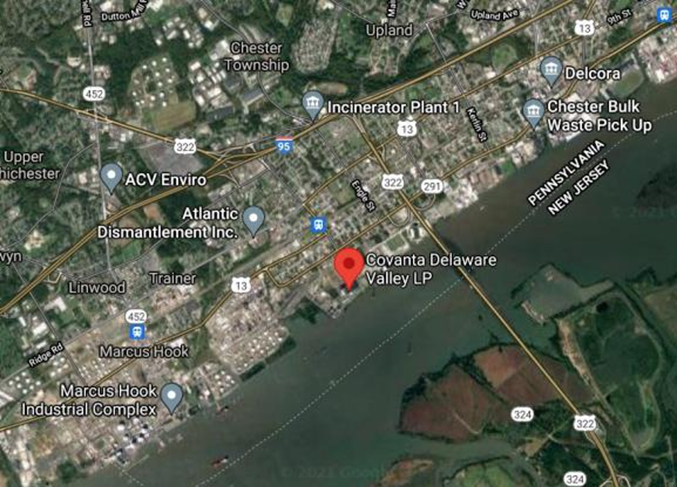
Demographics around Covanta & DCSWA Rolling Hills Landfill
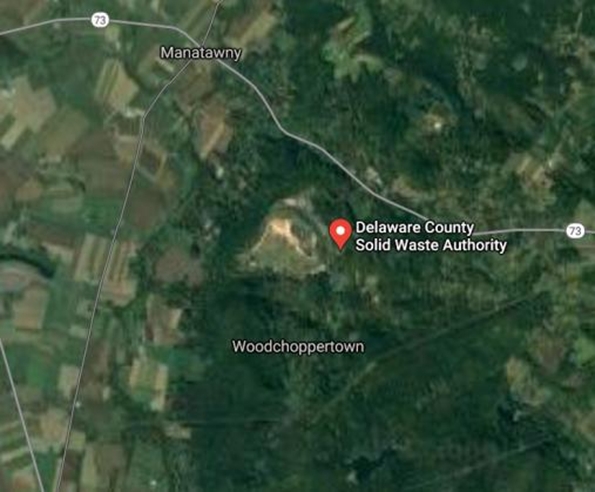
| People living within 2.5 miles | |||
| Facility | Population | Household Income | Demographics |
| DCSWA’s Rolling Hills Landfill | 2,283 | $73K | 96.8% White |
| Covanta Delaware Valley incinerator | 23,000 | $30K | 63.8% Black |
Trash Incinerators in PA
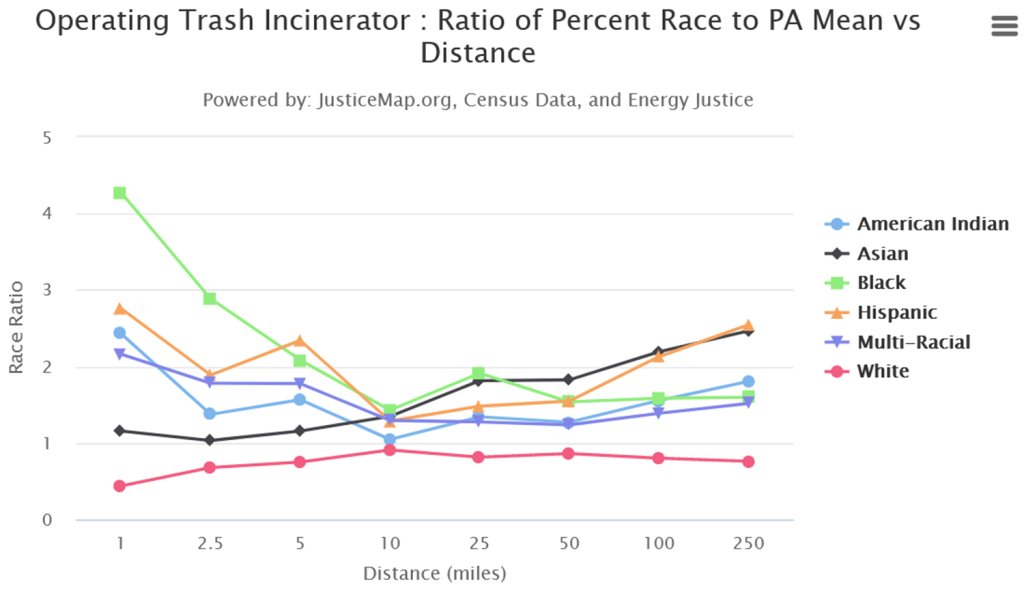
Landfills and incinerators don’t equally impact people in PA. Incinerators disproportionately impact lower-income people of color, especially Black residents, while landfills are in more medium-income white communities. At each distance, a ratio above one means a group is disproportionately impacted. This represents the combined demographics around all trash incinerators in PA.
Within 1 mi of Covanta: 35% are white, Median Household income $46K